This Blog Sat in My Drafts for Two Years
What I understand about my body at 50 that I couldn't quite see at 48
You guys, I have had this blog sitting in my drafts since November of 2024.
I was 48 when I started writing it and getting ready to turn 49 in a few months. I remember spending so much of that year thinking, “What is going on with me?”. I was restless. My body felt like it was in a fog. My periods were crazy. I didn't quite feel like myself. I knew something was changing. I just couldn't quite put all the pieces together.
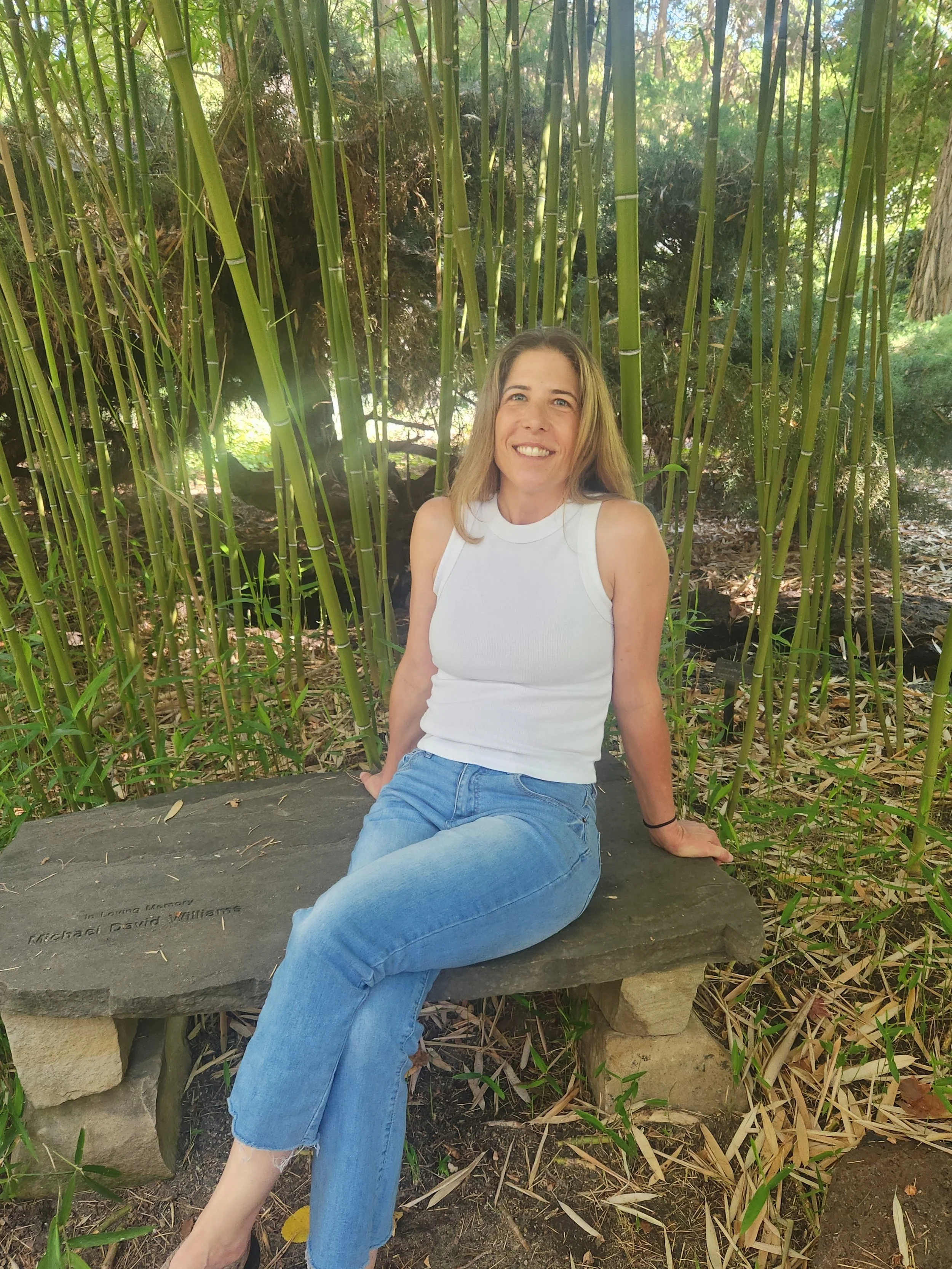
That year, I traveled to Mexico by myself for a five-day retreat. For the first time in a while, I had space away from my normal life, my work, and all the things that keep us moving from one day to the next. Where the fuck am I? What am I doing? How am I feeling? It wasn't necessarily bad. It was just...different.
I was trying to figure out where I was in my body and where I was in my life. Then I turned 49. This “menopause” blog stayed in my drafts.
And now I'm 50. I'm in menopause. And I can look back at that year at 48 with a completely different perspective knowing that I was in perimenopause.
The irregular periods, the fog, the restlessness, that feeling that something was shifting - it makes a lot more sense from where I'm standing now. Thankfully, I've come out on the other side feeling amazing. And I recognize that I had an advantage. I'm a pelvic health physical therapist. Women's health is what I do. I have wonderful resources in my life. I know healthcare providers I trust. I knew to ask questions, to keep asking questions, and to look for answers when something didn't make sense.
And it was still confusing.
We are finally talking about it
Something pretty incredible has happened since I first put this blog in my drafts almost two years ago. Perimenopause and menopause have become part of the conversation.
They're being discussed in the medical world, in research, on social media, on podcasts, and - maybe most importantly - between women. And I am thrilled about it. We have more information. More research is being presented and discussed. Women are talking openly about experiences that previous generations may never have talked about at all.
We are in a different time. And I think that's exciting! I'm especially excited about what this means for the women coming behind us. My hope is that younger generations won't arrive at 45, 48, or 50 wondering, “What the hell is happening to me?”, but maybe they'll recognize perimenopause sooner. Maybe they'll understand that menopause can affect much more than their menstrual cycle. Maybe they'll know what questions to ask and who to ask. And maybe they won't spend years assuming that something they're experiencing is simply something they have to live with.
Because even with all the attention menopause is getting right now, I still see two things happening.
There are women in their 40s experiencing changes in their bodies who don't recognize that they may be in perimenopause at all.
And there are women who know they're in menopause, but don't realize how many of the symptoms they're experiencing may be connected to it.
Hot flashes and changes in your period may be the symptoms everyone recognizes. But vaginal dryness, painful sex, bladder changes, sleep disruption, brain fog, headaches, muscle and joint pain, mood changes, and more can also be part of the picture.
So, now what?
There's a funny thing that happens when we finally start talking about something…suddenly, there is so much information. Hormones. Protein. Creatine. Strength training. Supplements. Sleep. Cortisol. Vaginal estrogen. Pelvic floor exercises. Bone density. Sexual health. Open social media and you can quickly come away feeling like you need to overhaul your entire life before lunch.
I don't want to give you another enormous list of everything you're supposed to be doing. I want to help you connect the dots. So, if you're somewhere in perimenopause, menopause - or you're honestly not quite sure where you are - here are five places I think are worth starting.
1. Pay Attention to Your Pelvic Health
Your pelvic floor does much more than help you "hold your pee." These muscles contribute to bladder and bowel control, support your pelvic organs, participate in sexual function, and work with your breathing, abdominal muscles, hips, and spine.
Hormonal changes during perimenopause and menopause can also affect the vulva, vagina, urethra, and bladder. Vaginal dryness, itching, painful sex, and urinary incontinence are among the common genitourinary symptoms associated with menopause.
So if you suddenly need to know where every bathroom is, you're leaking when you exercise, sex has become uncomfortable, or something simply feels different - pay attention to it. Don't immediately dismiss it as aging. And please don't assume the answer is automatically more Kegels. Sometimes a pelvic floor needs strengthening. Sometimes it needs to relax. Sometimes the issue is coordination, mobility, or something else entirely.
The first step is figuring out what your body needs.
2. Take Care of Your Vulvar and Vaginal Tissue
Can we please get comfortable talking about vaginal dryness? Because it matters. So does irritation. So does pain with sex. So do recurrent urinary tract infections.
These aren't symptoms you need to quietly tolerate because you're getting older. Sometimes simple changes can make a meaningful difference. Reducing exposure to irritating products may help. Lubricants can make sexual activity more comfortable, while vaginal moisturizers are designed to be used regularly to help maintain moisture in the tissue.
For some women, topical vaginal estrogen may also be worth discussing with a knowledgeable healthcare provider. Local estrogen can help restore blood flow and tissue health, improve lubrication and vaginal pH, and may help with painful sex and recurrent UTIs.
Talk about it. You don't have to wait until something becomes unbearable before asking for help.
3. Get Strong
This is one of my favorite messages for women in midlife → your body needs strength.
Resistance training supports muscle, bone, balance, and long-term function. Higher-intensity resistance and impact training has been associated with improvements in bone density, strength, balance, and function compared with lower-intensity exercise.
Does that mean you need to walk into a gym tomorrow and pick up the heaviest weight you can find? No. In fact, please don’t.
If you haven't exercised in years, your starting point will look different from someone who has been strength training for decades. That's okay. Start where you are, BUT START. We don't need to treat our bodies as though they become fragile the moment we enter menopause. We need to progressively give our muscles and bones enough challenge to adapt.
4. Keep Moving - And Let Your Body Learn to Move With You
Your pelvic floor isn't working by itself. It works with your diaphragm, abdominal muscles, hips, and spine every time you breathe, walk, lift, exercise, cough, laugh, or move.
Sometimes when women start experiencing leaking, pressure, or other pelvic floor symptoms, they become afraid of certain activities. But movement isn't the enemy. You may need to work on breathing, strength, or pelvic floor coordination for a period of time. You may need to modify something while your body gets stronger. But the goal isn't to spend the rest of your life thinking about your pelvic floor every time you move. We are not meant to think about how we move all day.
In the beginning, you may need to pay more attention to how your pelvic floor coordinates with breathing and movement. Eventually, your body should be able to do its job without you consciously directing every muscle.
Keep moving.
5. Ask Lots of Questions - And Find the Right People to Ask
If there's one thing my own experience reinforced for me, it's this → Ask questions. Lots of them.
Menopause can affect many different areas of your health, and one healthcare provider may not have all the answers. Talk with a gynecologist or menopause provider about hormonal changes and treatment options. Talk with a pelvic health physical therapist about bladder or bowel changes, pelvic pressure, painful sex, or changes you're noticing with exercise and movement. Involve your primary care provider and other specialists when appropriate.
Most importantly, bring things up. Don't assume a symptom is too small, too embarrassing, or simply something you're supposed to accept because you're getting older.
Could this be related to perimenopause or menopause?
Why has sex become painful?
What can I do about vaginal dryness?
Could my bladder symptoms be related?
Would vaginal estrogen be appropriate for me?
What should I be doing for my muscle and bone health?
Would pelvic floor physical therapy help?
And if you don't understand the answer, keep asking until you do. You don't need to walk into an appointment knowing which treatment you need. You need healthcare professionals who will listen, help you understand what may be happening, and talk through your options with you.
2 years later…
At 48, I was trying to understand what was happening.
At 49, apparently I still wasn't ready to finish writing about it.
And now, at 50, I'm in menopause - and I feel optimistic.
I don't say that because I've discovered some magical menopause formula. Spoiler - I haven't. I say it because I had good resources, I asked a lot of questions, I learned what my body needed, and I made decisions that made sense for me.
And that's what I want for other women too!
I'm thrilled that we're finally talking about menopause. I'm thrilled that there is more research, more information, and more openness than there was for the generations before us. And I'm really excited about what that means for the women coming behind us. But with all of that information, I hope we don't replace "Nobody told me anything" with "Everybody is telling me what I should be doing."
Two years later, I finally know how I want to finish this blog.
Not because I have menopause all figured out, but because I understand my body better than I did at 48.
Pay attention to your body. Get curious. Ask lots of questions. Find people you trust. Start where you are. And keep going.
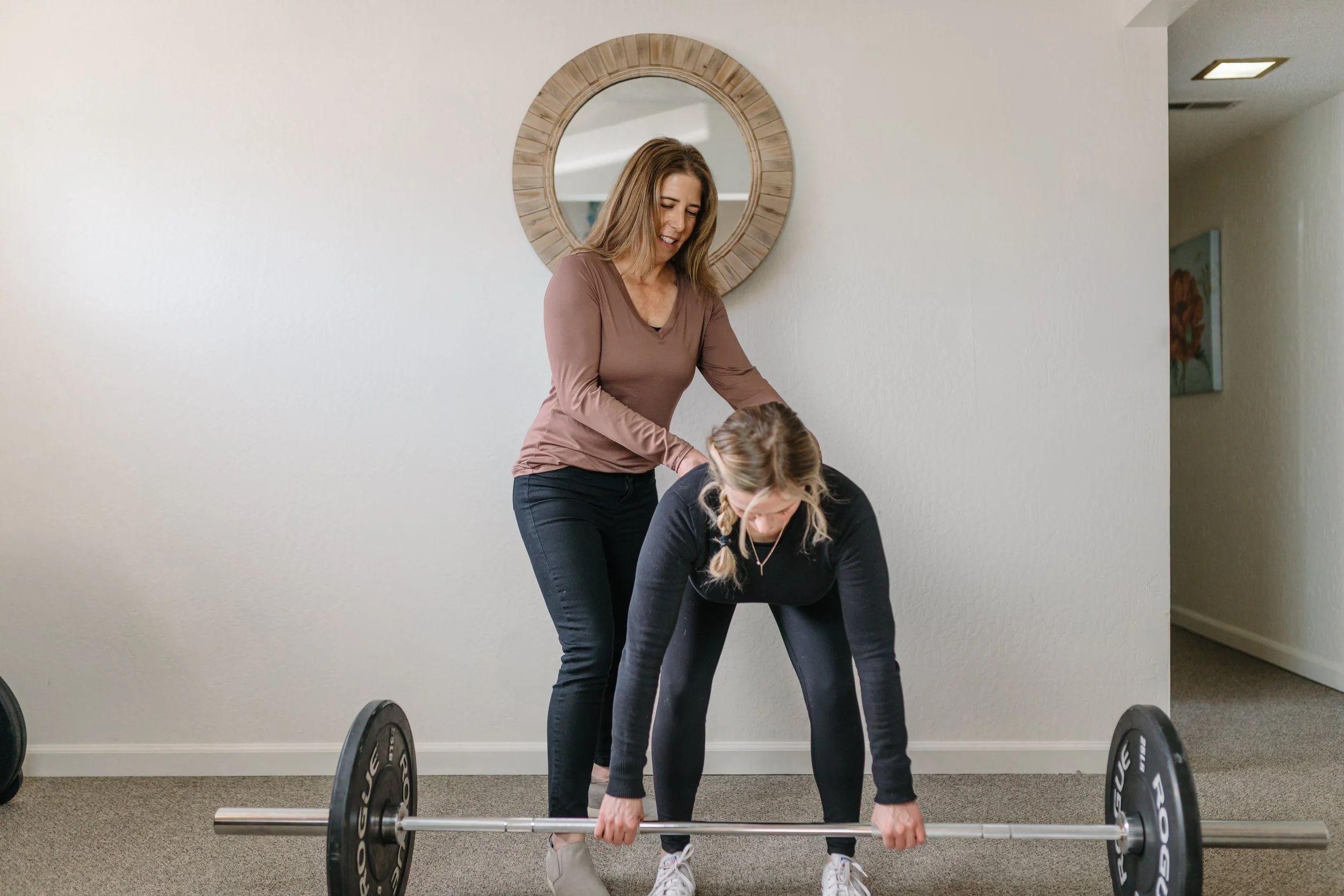
Advanced Pelvic and Spine Physical Therapy
If you’re in the Reno, Nevada area and are navigating perimenopause or menopause and want to learn more about how to support your pelvic floor and overall health, make sure to book an appointment today or reach out with any questions. Together, we can create and implement a plan that empowers you to live life fully, instead of just “getting through it”.
